The Center on Main™ in Verrado®
4239 N Village Street
Buckeye, AZ 85396

Monday and Friday
7:30 pm - 8:30 pm

The Center on Main™ in Verrado®
4239 N Village St
Buckeye, AZ 85396

Monday and Friday
7:30 pm - 8:30 pm

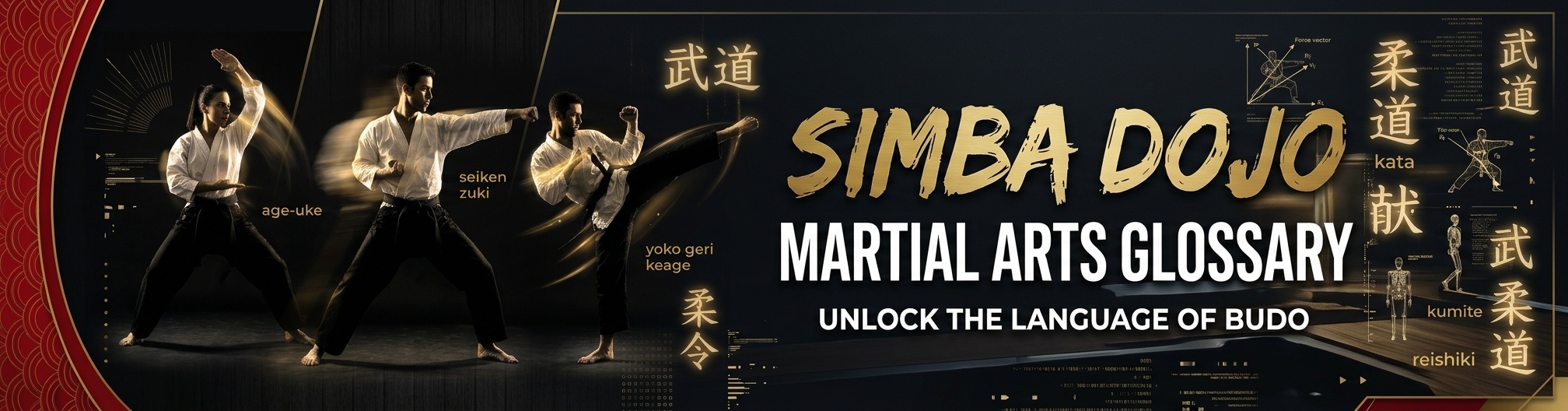
simba dojo glossary banner v2

Senshin

Search for glossary terms (regular expression allowed)

Glossaries

Term Definition
Senshin

Senshin (洗心)

Senshin is a profound Japanese martial arts concept translating to "purified heart," "cleansed mind," or "washing the spirit." In traditional Budo and Shotokan Karate, it refers to the practice of purging ego, malice, prejudice, and selfish desires from one's mind, cultivating an attitude of absolute purity, benevolence, and spiritual clarity both on and off the mat.

Etymology & Structural Breakdown

The term Senshin is composed of two primary Japanese kanji characters with roots in Zen philosophy and classical Japanese literature:

  • Sen (洗): Derived from the verb Arau (洗う), meaning "to wash," "to cleanse," "to rinse," or "to purify."

  • Shin / Kokoro (心): Meaning "heart," "mind," "spirit," or "soul."

Combined, Senshin (洗心) literally translates to "cleansing the heart/mind" or "purifying the spirit," describing an active mental resetting and refinement.

Key Characteristics & Components

  • Ego Suppression: Strips away personal arrogance, pride, and the destructive desire to defeat or humiliate an opponent for personal gain.

  • Spiritual Clarity & Receptivity: Clears mental clutter and emotional agitation, establishing an open state where a practitioner can perceive threats, instructions, and physical feedback without bias.

  • Benevolence & Compassion: Replaces aggression with respect (Rei), goodwill, and a sincere desire to protect life and preserve harmony rather than inflict harm.

Practical and Tactical Application in Shotokan Karate

While Senshin is a deeply spiritual concept, it manifests directly in the physical execution and psychological readiness of a Shotokan Karateka:

  • Mokuso (Meditation): During the opening and closing moments of class in Seiza, practitioners engage in Senshin through focused abdominal breathing (Tanden), deliberately washing away the stress, worries, and distractions of daily life to enter a pure state of training focus.

  • Kumite & Conflict Resolution: In free sparring (Jiyu Kumite) or real-world self-defense, maintaining Senshin prevents panic, anger, or vengeance from corrupting judgment. An unclouded mind assesses distance (Maai), timing (De-Ai), and opponent vulnerabilities with calm, clinical precision.

  • Pure Intent in Kata: Performing forms with Senshin ensures that execution is not a superficial display of flashy power or vanity, but an authentic expression of martial spirit, precision, and respect for tradition.

Key Variations & Mechanics

  • Senshin-Kōden: Passing down the purified spirit and moral values of martial arts across generations.

  • Senshin vs. Mushin (No-Mind): While Mushin (無心) represents the state of spontaneous, instinctual reaction free from conscious thought, Senshin (洗心) represents the moral and emotional cleansing that ensures one's actions are driven by benevolence, purity, and integrity.

Budo & Cultural Significance

In Budo, Senshin represents the ultimate goal of martial training as expressed in Shotokan founder Gichin Funakoshi's principles: "Karate-do is a means to avoid violence, not to cause it." Physical techniques (Waza) are merely the vehicle through which the practitioner polishes their character (Shin). By continuously practicing Senshin, the martial artist transforms the dojo from a place of mere physical fighting into a forge for the human spirit, replacing hostility with compassion, humility (Hanshi), and peace.

Author - Sensei Miller
Hits - 23
Synonyms: Purified mind, cleansed heart, spiritual purification, pure spirit, unclouded mind, benevolent heart.
Ask a question
1000 characters left